


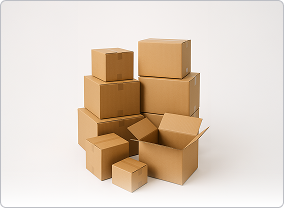



Selecting the right box size for shipping isn’t just about convenience—it impacts your shipping costs, protects your products, and helps maintain customer satisfaction. Here are five detailed tips to ensure you always pick the best box size for your shipments.
1. Accurately Measure Your Items
Choosing the correct box starts with precise measurements. Use a tape measure to determine your item’s exact length, width, and height, measuring at the widest points. Take your time to get accurate measurements; estimating or guessing can lead to issues like selecting boxes that are too tight or too loose.

Once measured, always choose a box slightly larger than the product’s dimensions to comfortably accommodate packaging materials.
2. Evaluate the Weight of Your Product
The weight of your shipment significantly influences the type of box required. Heavier items typically demand stronger, more durable boxes, such as double-wall or reinforced cardboard boxes, to safely withstand handling during transit. Lighter items, on the other hand, can safely travel in standard single-wall boxes, which provide ample protection without unnecessary expense. Understanding the relationship between product weight and box durability ensures both safe transit and cost-effective packaging.
3. Allow Adequate Space for Protective Packaging
Ensuring your product reaches its destination safely means allowing space for protective packaging. A good rule of thumb is to add roughly two inches of padding around all sides of the product.

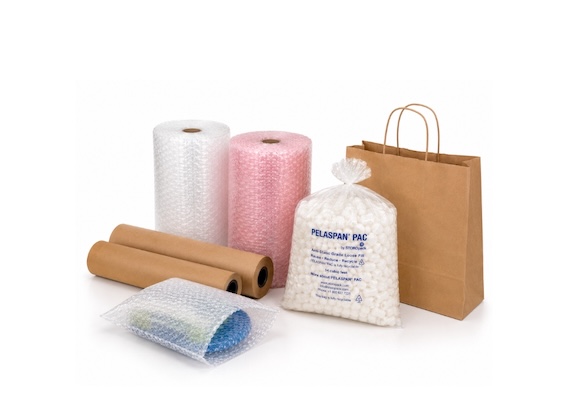
This extra space gives you room for materials like bubble wrap, packing peanuts, foam, or paper cushioning, providing critical protection against shocks and vibrations encountered during transit. Insufficient padding is one of the primary reasons items arrive damaged, so never skip this important step.
4. Minimize Empty Space in the Box
While it’s important to leave enough space for padding, having too much empty space can be equally problematic. Excessive space inside the box allows items to shift or move around during shipment, increasing the risk of damage or breakage. If you find yourself with a box that’s larger than needed, consider either selecting a smaller box or filling the extra space with additional protective materials. Properly managing the internal space will significantly enhance the safety of your shipments.
5. Consider Shipping Cost and Dimensional Weight
Shipping carriers often calculate costs based on “dimensional weight,” meaning larger boxes can drastically increase your shipping fees even if they don’t weigh much. By carefully choosing the right-sized box—one that’s just big enough to safely hold your product and padding—you can effectively reduce unnecessary shipping expenses. Optimizing box size helps maintain profitability and makes your pricing more competitive, which is especially important for small businesses.
Following these detailed tips ensures you select the ideal box size every time—protecting your items, minimizing costs, and improving customer satisfaction.
Shop for Products
Huge inventory, fast delivery.
